Photo by Uliana Kopanytsia
Today is Presidents’ Day, and while it’s a national holiday, it’s one that often sneaks up on us. Some offices are open, some are closed, and many of us are left wondering whether the holiday will affect traffic or cause us to receive an influx of promotional e-mails. Beyond the sales and long weekend, the history behind Presidents’ Day is worth a pause.
Presidents’ Day was originally established to honor George Washington, whose birthday falls on February 22. The observance of the holiday shifted to the third Monday of February under the Uniform Monday Holiday Act, creating a consistent three-day weekend. While the holiday now honors all U.S. presidents, Washington remains its central historical figure.
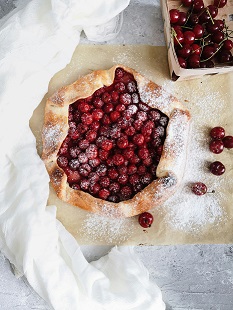
Do you know the food that’s often linked to the holiday? It’s cherry pie, thanks to the enduring (and admittedly charming) legend of young George Washington confessing to chopping down a cherry tree. Whether fact or folklore, the story has secured cherry pie a permanent seat at the President’s Day table.
Workplace observance of the holiday has also evolved. Until the late 1980s, many corporate businesses closed on Presidents’ Day, much like they still do for Memorial Day and Labor Day. Today, however, most private-sector businesses remain open, often leaning into promotional sales instead. Federal and state government offices, including the U.S. Postal Service, courts, and Departments of Motor Vehicles are closed, while university schedules vary by institution. Public grade schools are generally closed, though some districts extend the break into a week long February vacation.
Presidents’ Day is a reminder that not all holidays look the same, and that rest, recognition, and routine often overlap in imperfect ways. Whether you’re enjoying a day off, heading into work, or simply using the holiday as an excuse to enjoy a slice of cherry pie, the holiday offers a moment to reflect on leadership, legacy, and how traditions adapt over time.